Food Packaging and New Design Styles: Trends Shaping the Future
0 Comments
Food packaging has moved far beyond its original function of protecting products. Today, it is a central element of branding, storytelling, and consumer experience. The way a product is presented often determines whether it captures attention on a crowded shelf or gets overlooked. With shifting consumer expectations and increasing competition, brands are reimagining packaging to stand out while reflecting modern values.
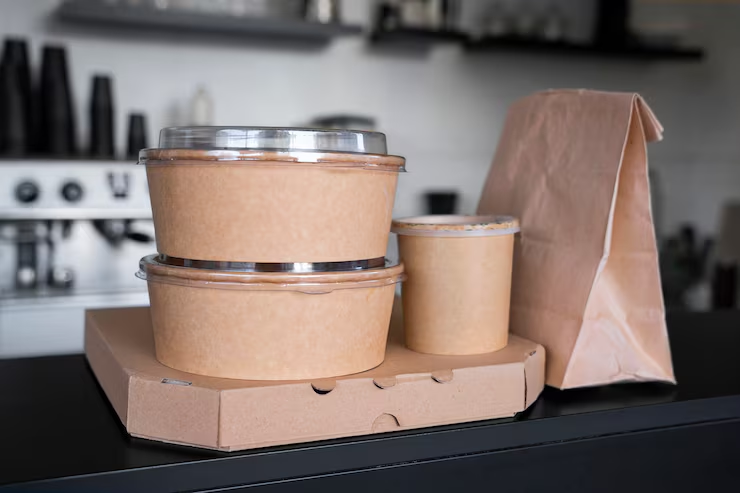
One of the strongest drivers of change is sustainability. Consumers are increasingly drawn to packaging that aligns with their environmental values, and brands are responding with biodegradable plastics, compostable films, and recycled cardboard. These materials are often paired with earthy colors, natural textures, and minimalist layouts to signal authenticity and responsibility. Many organic food brands now treat recyclability as a design feature, showcasing it proudly as part of their brand promise.
“Minimalism itself has become a dominant style across the industry. By stripping away clutter, brands achieve clarity and sophistication. A focus on white space, strong typography, and subtle palettes creates packaging that feels clean, premium, and trustworthy. Oatly, for example, has mastered this approach with packaging that relies on bold fonts and witty copywriting, delivering both transparency and personality.”
On the other end of the spectrum, bold typography and striking graphics are redefining how food brands compete for attention. Oversized lettering, vibrant colors, and geometric shapes transform packaging into a visual statement. This style is particularly effective in capturing attention in the first few seconds and has the added advantage of being highly shareable across social media platforms.
Beyond aesthetics, storytelling has become essential. Packaging increasingly serves as a canvas for cultural narratives and heritage. Coffee brands, for instance, often highlight their Peruvian, Ethiopian, or Colombian roots through patterns, illustrations, and local-inspired typography. This approach not only differentiates a product but also forges an emotional connection with consumers who value authenticity.
Technology is also reshaping packaging. Interactive and smart features such as QR codes, NFC tags, or augmented reality bring a new dimension to the consumer experience. Packaging can now reveal recipes, showcase sourcing information, or share the brand’s story with a quick scan. Clean, modern designs emphasize scannability, while the technology itself reinforces transparency and trust.
Not every product, however, aims for sophistication. Playful and fun packaging continues to thrive, especially in categories like snacks, cereals, and ice creams. Bright colors, whimsical illustrations, and humorous copywriting create delight and make brands feel approachable. This style often resonates with younger audiences and families, turning everyday purchases into small moments of joy.
At the premium end of the market, luxurious packaging remains a powerful tool for positioning. Dark tones, metallic foils, embossing, and elegant typography elevate chocolates, wines, and gourmet foods into experiences worthy of gifting. Here, packaging is more than a container—it is part of the indulgence itself, justifying higher price points and creating a sense of exclusivity.
“Packaging is the silent ambassador of your brand. It communicates long before the first taste is ever taken.” – Anonymous
The future of food packaging lies in balancing sustainability, clarity, and storytelling. Consumers expect products to look good, feel good, and align with their values. Brands that recognize this shift will move beyond treating packaging as a necessity and instead embrace it as a strategic marketing tool. Done well, packaging not only protects what is inside but also communicates identity, builds trust, and creates lasting connections with modern consumers.